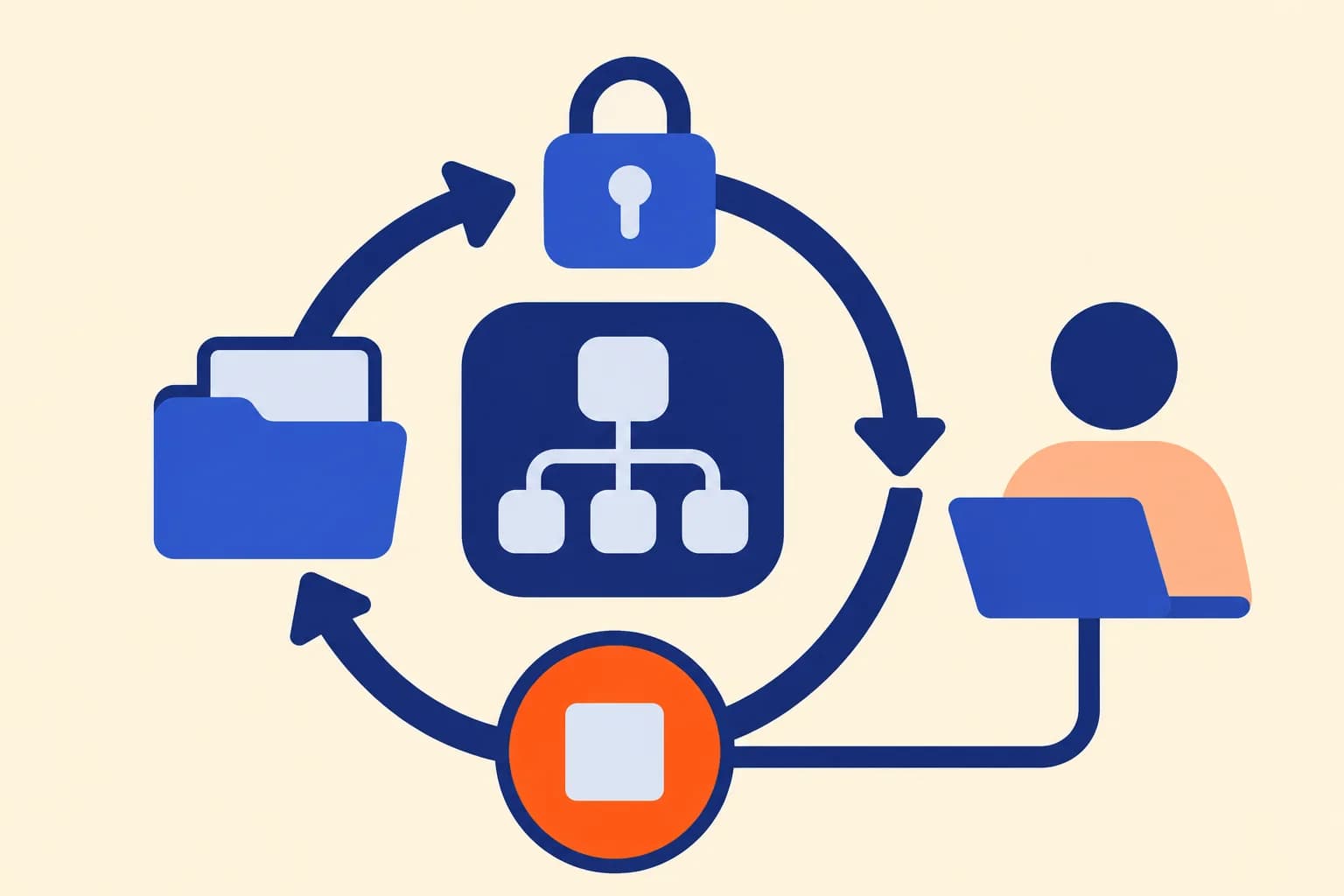
A business needs agents that can work with its documents, systems, and rules. Setting up OpenClaw is the start of that deployment. End-to-end work includes designing the environment, connecting tools, agreeing on permissions, validating tasks, and preparing daily operations. At Newstools we have built that path in our own agent environment, and we adapt it to the process each organization wants to automate.
Start with a business task
Before choosing models, we describe a task with inputs and a verifiable result: classify requests, prepare a report, investigate an incident, or turn a document into a work proposal. We identify who reviews the result and which decisions need approval. That definition keeps the agent from receiving a broad goal without criteria for knowing when it is done.
The first pilot uses representative examples, including incomplete messages, duplicate documents, and insufficient permissions. We measure quality and review effort on those examples before expanding the scope.
Prepare infrastructure and access
We design a private environment suited to the client's data and tools. We configure the service, the models and their alternatives, the workspaces, and credential management. Access to the dashboard, the APIs, and the data is limited according to the role of each user or agent.
Configuration is documented and versioned without secrets. We also define how to update components, recover data, and keep the service running when an external dependency stops responding. Recovery tests are part of the agreed operations plan.
Connect tools and channels
Telegram can be used to request work, receive alerts, and respond to an approval. APIs and MCP make it possible to integrate document, email, tracking, and business tools. Each connection needs its authentication, scope, and error handling checked; having a connector available is not the same as having enabled it for every account.
A conversation channel should produce identifiable work: task, status, result, and next owner. Users can see what is pending without reconstructing a long conversation.
Design a team with clear roles
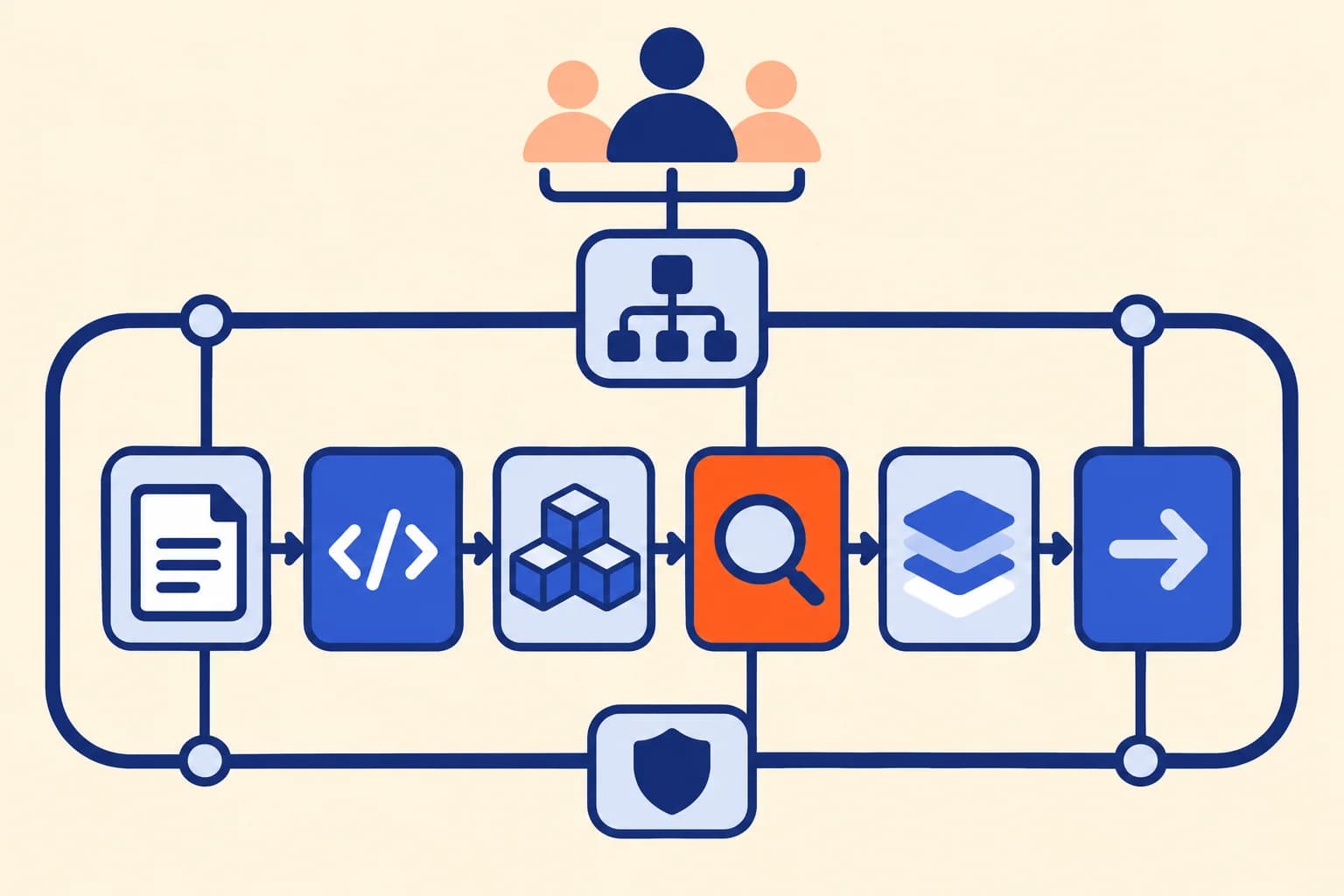
We separate planning, research, implementation, review, and documentation when the task requires it. Each agent receives specific context and tools. Memory preserves provenance and access rules, and decisions that affect third parties go through the planned approval.
Coordination includes duration and concurrency limits, controlled retries, and error escalation. An urgent task changes priority; its permissions remain the ones that were agreed. That distinction stays visible to the people supervising the work.
Operate with continuity
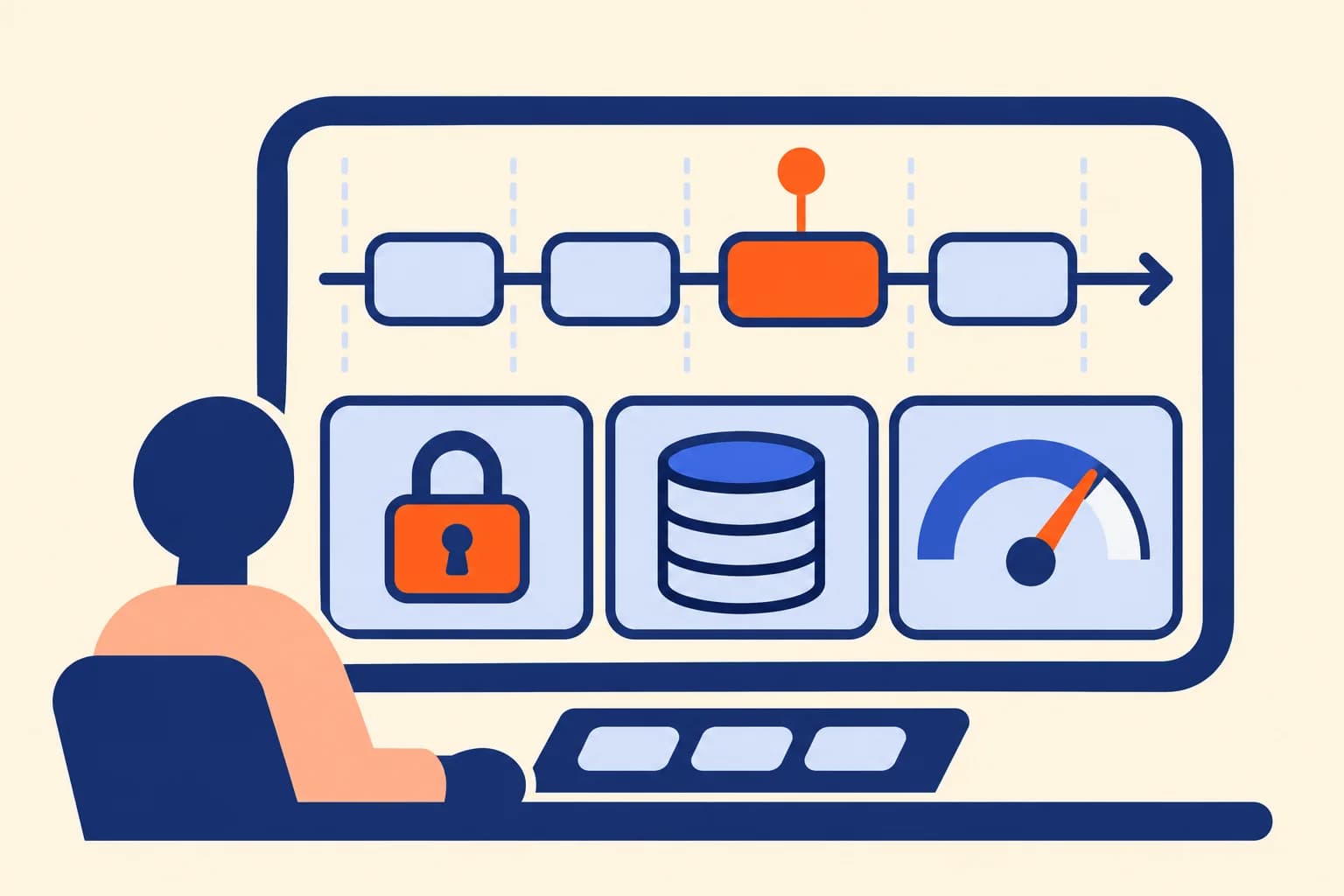
Scheduled tasks can check services, prepare summaries, or handle queues day and night. For that work to be useful, we watch failures, consumption, stalled tasks, and connection health. Alerts must reach the right owner and contain a possible action.
The handover includes validated end-to-end workflows, configuration, documentation, and support procedures. 24/7 availability requires the infrastructure and the operations service defined in the project. With those elements, OpenClaw becomes a working system that the business can supervise and expand with clear evidence of what it can do.