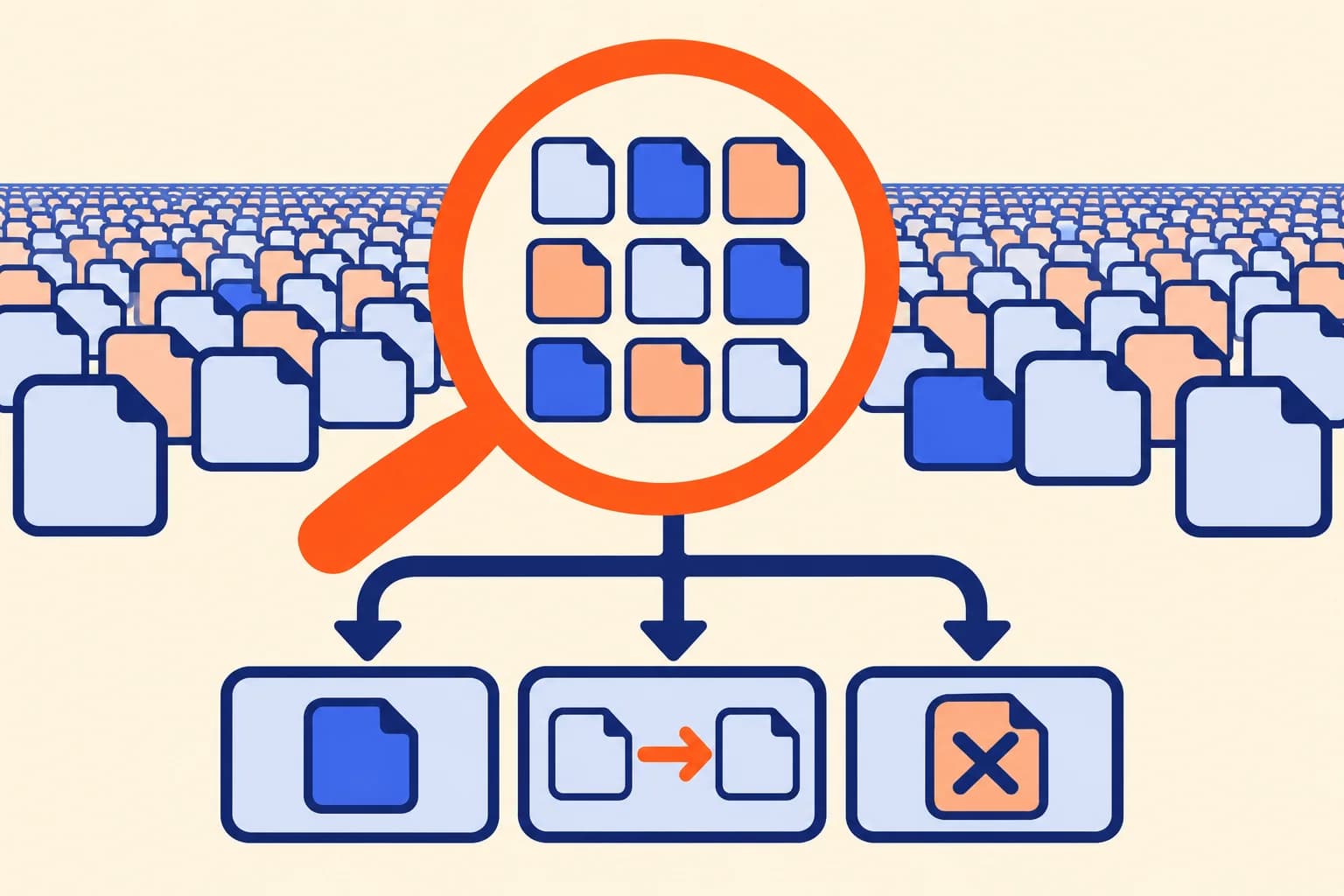
While preparing a large national publisher's migration, we built an inventory exceeding 3.7 million entries. That figure describes research and control at scale, not URLs already migrated. That distinction frames the project: before changes are executed, the team needs to understand the published archive and justify what happens to each family of addresses.
What the figures mean
A documented September 12, 2026 snapshot records 3,705,366 inventory rows and 1,581,896 physical observations of stored HTML. These are different populations: the inventory gathers addresses, while the corpus retains captures. Not every row is an article, and a capture is not a migration decision. Canonical sets and current-document views have their own filters and counts.
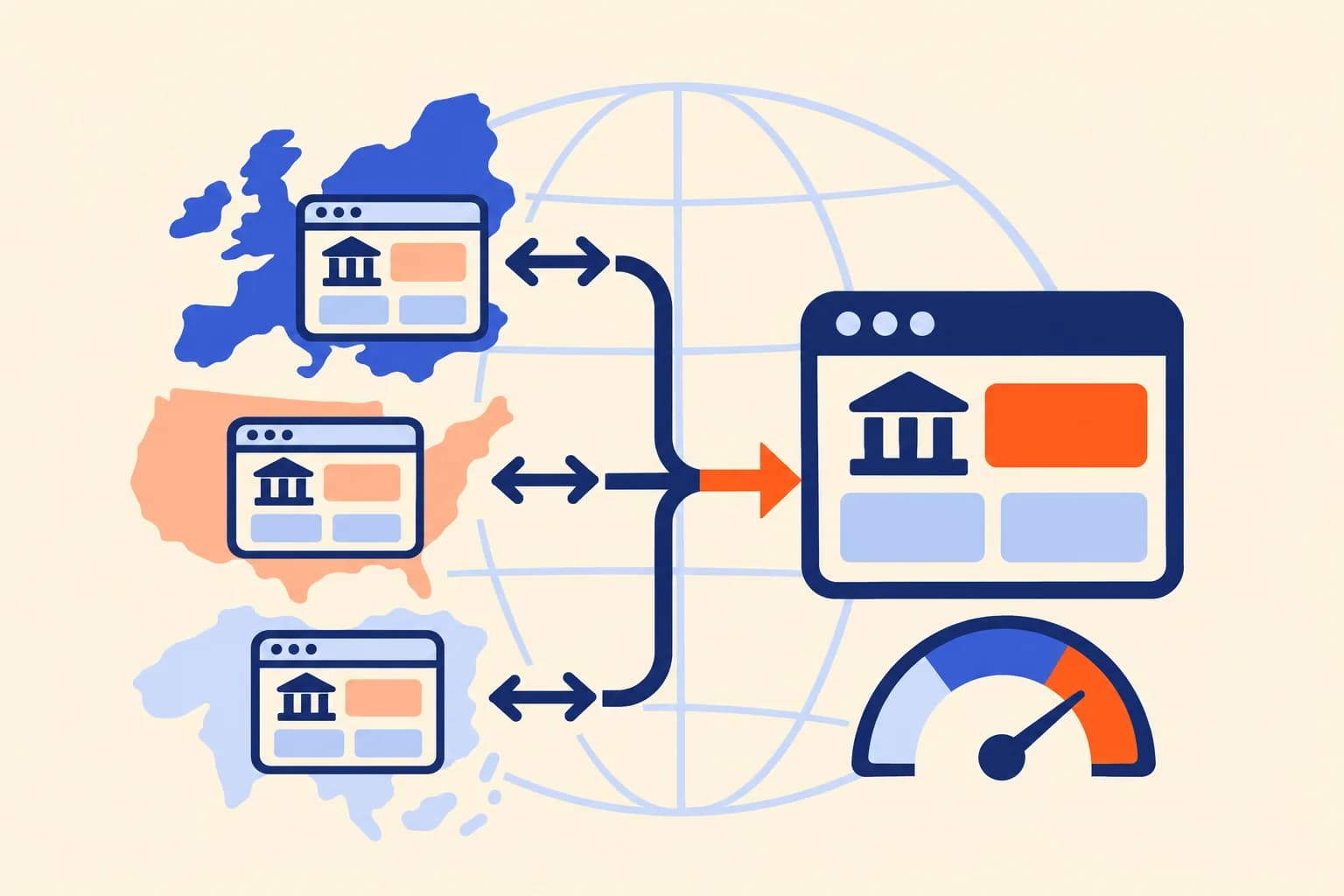
The work combines CMS exports, sitemaps, Search Console, crawls, and logs. Each source explains something different. A sitemap declares content for search engines; the CMS knows internal objects; logs record actual requests. We retain provenance and dates so a temporary absence does not become an unjustified removal.
A pipeline that can be resumed
Measurements are organized into waves with state, effective response, final destination, canonical, robots, and metadata. The corpus adds HTML and integrity checks. Incremental runs reuse compatible evidence and measure again what has changed. Reconciliation totals show what entered, what was excluded, and what remains pending.
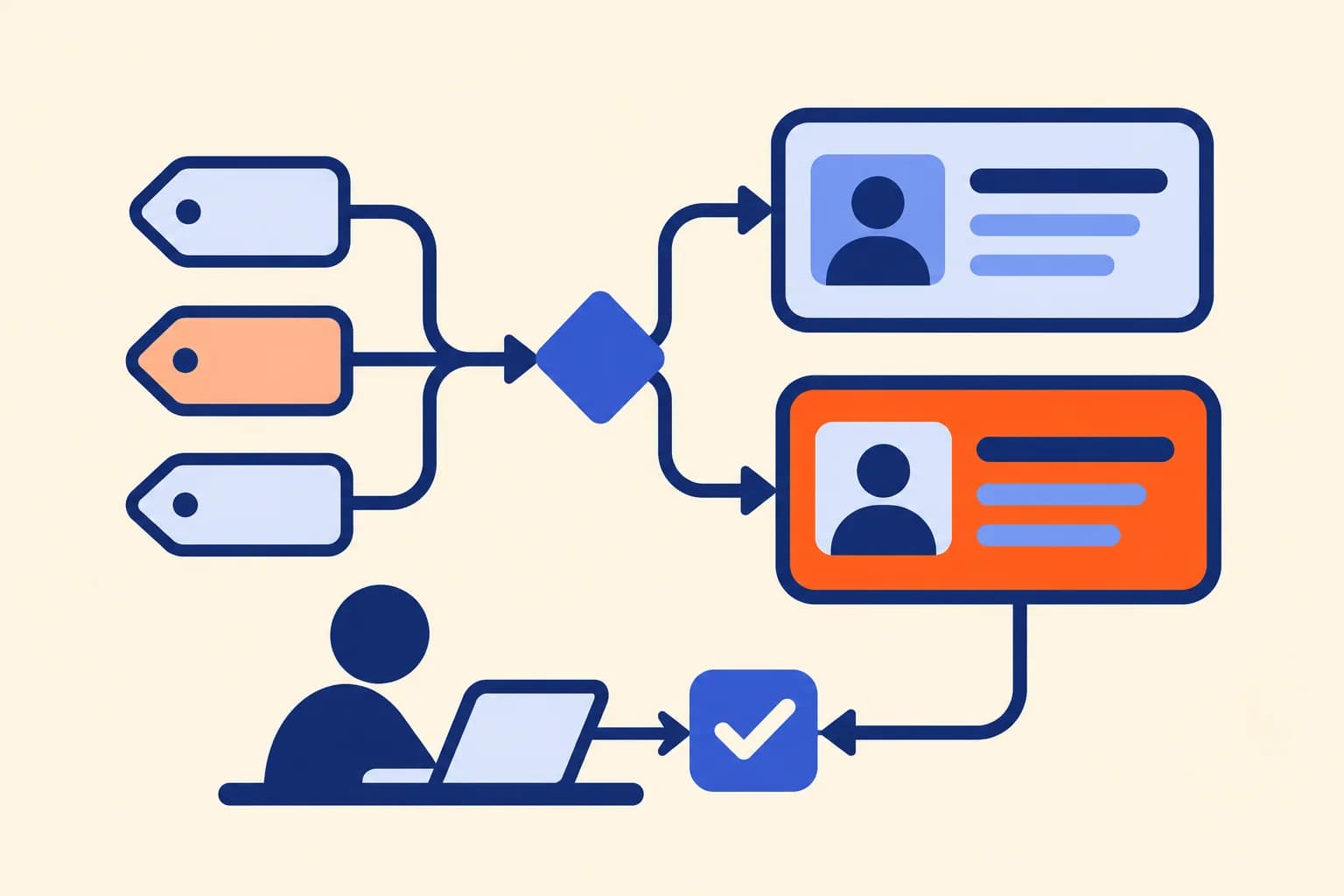
Editorial identity requires more than a slug: different addresses can represent the same document. Some 200 responses are error pages, and a final response code can hide an earlier redirect. We therefore record observed behavior separately from its interpretation.
From a candidate to a decision
Deterministic and semantic analyses help group duplicates, identify archetypes, and prepare review packages. Their output is a candidate supported by evidence. An embedding or a classifier does not delete content or publish a redirect. Decisions are recorded with their owner, reason, and affected set.
Delivery includes a panel for exploring sources, states, corpus, findings, and iterations, alongside reproducible exports. Engineering and SEO can review the same universe while the newsroom protects historical or editorial value. The platform change remains a later phase, with its own tests and promotion.